


Make no mistake — it may be nice outside right now, but winter will be here before you know it. There are a couple of things you can do before winter hits to better prepare your vehicle for the cold, as well as some tips to keep in mind when you get out on the snowy roads.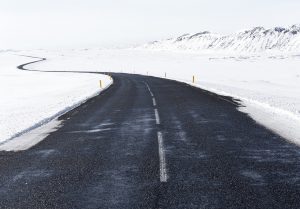
-
Preparation
One of the best ways to prepare yourself for wintry roads is to take your vehicle in for a winterization checkup before winter comes. This is a basic car maintenance task everyone should perform, especially if they live in a state that sees a lot of snow.
Have your vehicle’s battery checked to make sure it’s strong enough to stand the temperature drop. Check your tires’ tread to make sure they’ll be able to properly grip the slicker roads. Change your windshield wipers and add wiper fluid designed for cold weather use. Don’t let your gas tank fall below the half-full mark.
-
Check Conditions
It’s a good idea to check road conditions before you head out. Try to do this ahead of time, so that if you need to leave your home earlier so that you can drive slower and safer, you’ll still reach your destination in time. Generally, you’ll be able to find this information on your state department of transportation’s website.
-
Don’t Brake Hard
As you move from traffic light to traffic light, try to come to a rolling stop as much as you can. Braking hard can cause your wheels to lose their grip on the road and start sliding. Another perk of the rolling stop is that it will make it easier to speed back up and avoid skidding out on icy roads. Drive slower and allow more distance between you and the vehicle ahead to avoid having to suddenly apply the brakes.
-
Avoid Distractions
It’s always a good idea to get rid of distractions when you’re driving, but during the winter, it’s doubly so. Avoid distractions that take your attention from the road. Never pick up your phone when you’re driving on snowy or icy roads. Ask your passengers to not do anything that might distract you. Keep your eyes on the road ahead.
-
Pack An Emergency Bag
There’s no such thing as being over-prepared. Pack a bag with items that you might need in an emergency during the winter and stick it in the trunk or rear cargo area. Items you might consider packing include drinking water and snack in case you’re stuck on the side of the road, cat litter to improve tire grip, a windshield scraper, a bottle of antifreeze, and a flashlight. It’s better to have an emergency bag and not need it than needing one and not having it.
By implementing these tips into your car maintenance routines and driving habits, you can improve your safety on the winter roads. Winter can cause some scary situations for you and your family, but with the right methods, you can avoid them.
Connect with us


